Aglaonema at a glance
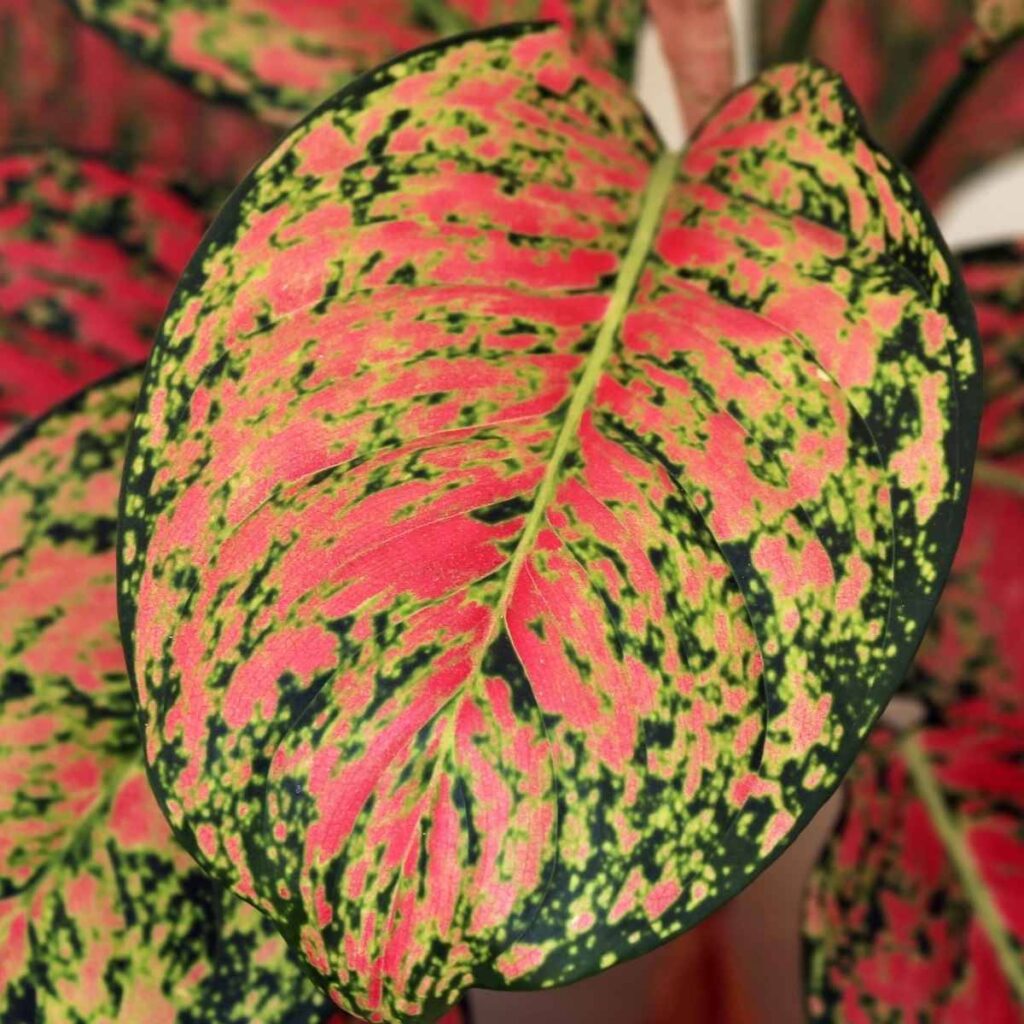
Aglaonema commutatum, commonly known as the Chinese evergreen, is native to the tropical regions of Southeast Asia. These low-maintenance foliage plants are ideal for indoor plant care, making them a popular choice for homes and offices. Aglaonemas feature glossy, variegated leaves that arch outward with exceptional elegance. Among the most sought-after varieties are the Aglaonema Etta Rose, Aglaonema Sapphire Susan, and Aglaonema Widuri.
These resilient indoor plants do not tolerate direct sunlight and prefer their potting soil to remain lightly moist. For the best results, allow the top two inches of soil to dry out completely between waterings to maintain the perfect moisture balance.
Also known as: Aglaonema Commutatum, Chinese Evergreen, Calathea, Peacock Plant, Zebra Plant
Family: Araceae
Origin: Southeast Asia
Care Instructions
Aglaonemas are argulably the easiest foliage plants to care for. Their main weakness is cold temperatures, so be sure to keep yours in a space that’s normal room temperature.
Light: Bright to low indirect light works well but avoid direct sunlight.
Temperature: Average to warm (65-75 °F)
Fertilizer: From spring through summer you’ll want to use a balanced fertilizer monthly. In fall and winter, feed every other month.
Water: Try to always keep the soil lightly moist. Always use filtered water and let the top two to three inches of soil dry between waterings.
Repotting: Repot every two years in the spring depending on the size of your plant.
Longevity: Aglaonemas tend to live over 10 years.
Troubleshooting Tips
Here are a few things to watch out for with your Aglaonema and potential causes.
Leaves have gray, greasy splotches that turn yellow.
Cause: Cold injury
Remedy: This is likely being caused by the plant being in a cold room or too close to an area that has a cold draft (such as a window or door). Remove the damaged leaves and move your plant to a place that’s consistently over 65°F.
Leaves are stiffly upright as opposed to arching
Cause: Too much direct light
Remedy: Aglaonemas are native to jungles where they grow on the floor, usually in shadier areas. If the leaves are stiffly upright and its colors are looking pale, it’s a sign that you might be keeping the plant somewhere that is getting too much direct sunlight.
Cottony creatures on leaves or stems.
Cause: Mealybugs
Remedy: Quarantine the plant and remove the mealybugs with tweezers or cotton swabs dipped in alcohol. Repeat this every couple of days until the mealybugs are gone.
Why work with Folha Oasis?
At Folha Oasis, we’re passionate about helping you create your ideal indoor sanctuary. Our curated selection of plants caters to every skill level, lifestyle, and aesthetic preference. We’re not just about selling plants—we provide expert advice, personalized recommendations, and ongoing support to help you succeed in your indoor gardening journey.
Ready to transform your space? Book a consultation with our indoor plant specialists today and let us guide you in selecting the perfect plants for your home.