Snake Plant at a glance
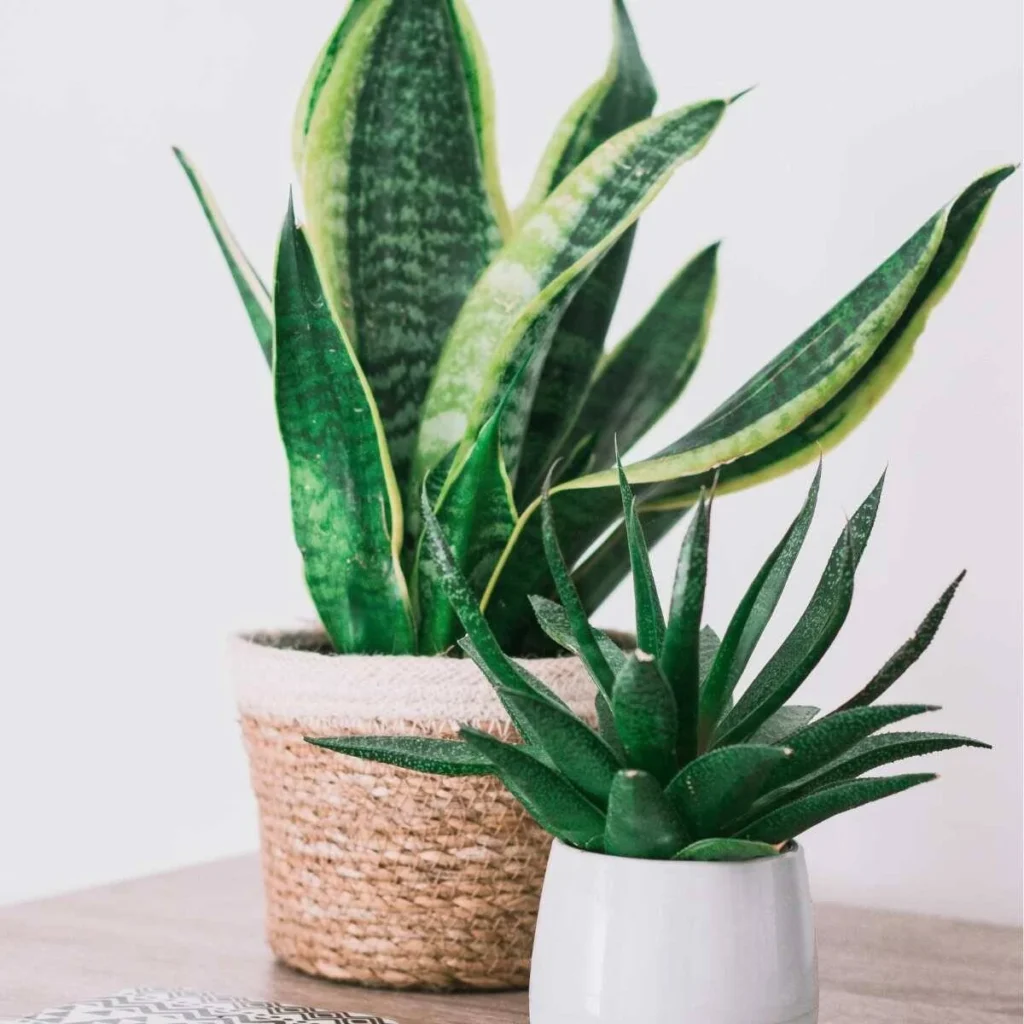
A top choice for beginners and seasoned collectors alike, the snake plant is one of the easiest indoor plants to care for. In fact, these hardy houseplants are nearly indestructible, featuring sturdy, sword-shaped leaves highlighted by vibrant yellow-green edges. This resilient variety thrives in bright indirect light but remains highly tolerant of low-light environments and is incredibly forgiving of irregular watering. Simply let the soil dry out completely between waterings, and your plant will thrive.
Also known as: Sansevieria trifasciata, Mother-in-law’s tongue, Saint George’s sword
Family: Asparagaceae
Origin: Tropical West Africa
Care Instructions
Light: Bright indirect light but very tolerant of lower light environments
Temperature: Average to warm (65-80 °F)
Fertilizer: From Spring through Fall, feed regular houseplant fertilizer monthly, in Winter, do not feed.
Water: Give filtered water and let the soil fully dry between waterings.
Soil: Regular potting soil works well.
Repotting: Repot as needed in the Spring every 2 or 3 years.
Longevity: 20+ years if properly cared for.
Troubleshooting tips
Leaves are turning yellow or brown and feel soft
Cause: Likely overwatering
Remedy: Give your plant less water. Remember, the soil needs to fully dry between waterings. If your plants soil is very wet and needs to dry out, you can try carefully removing it from the planter and either repotting with dry soil or removing the wet soil from around the plant and letting the remaining wet soil on the roots dry out before placing back in the pot. When handling the roots, also check for root rot.
Drooping or falling over leaves
Cause: Likely overwatering
Remedy: Give your plant less water. Remember, the soil needs to fully dry between waterings. If your plants soil is very wet and needs to dry out, you can try carefully removing it from the planter and either repotting with dry soil or removing the wet soil from around the plant and letting the remaining wet soil on the roots dry out before placing back in the pot. When handling the roots, also check for root rot.